

pHRonesis II
Towards Human-Centric and Sustainable Skills for the Workplace
ERASMUS BLENDED INTENSIVE PROGRAMME
The project is hosted by the Department of Business Administration of the University of Thessaly and brings together students and academics to engage with real workplace challenges.
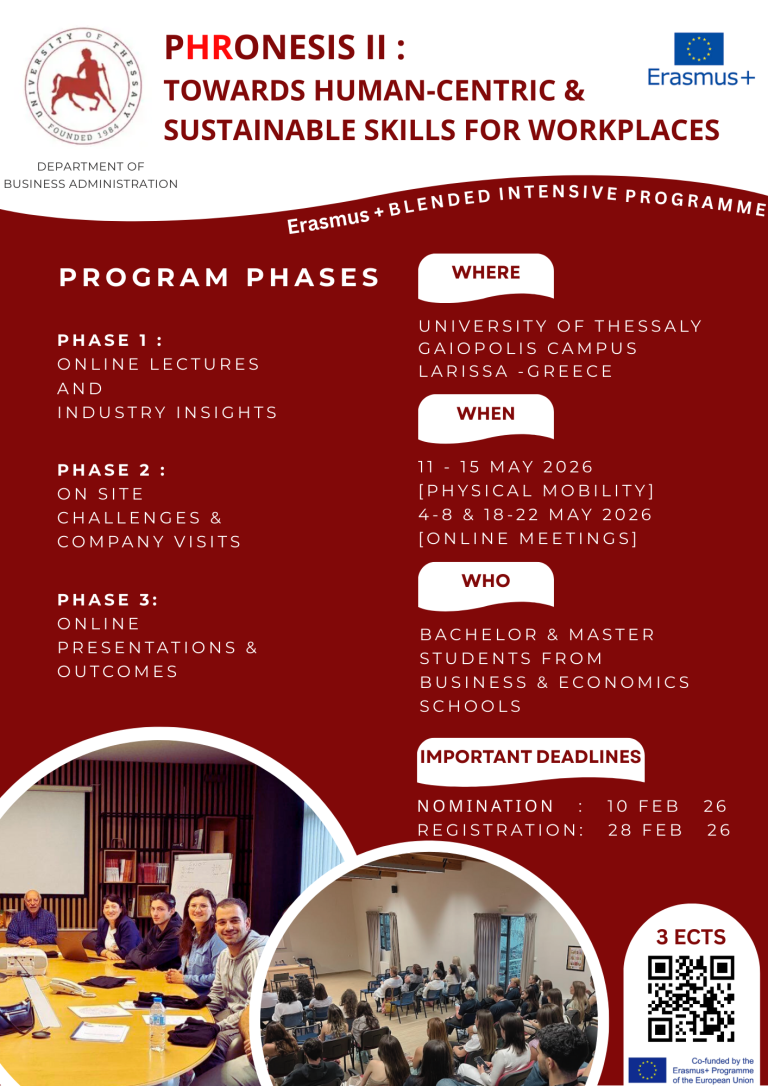
pHRonesis II
WHAT is pHRonesis II?
A practice-oriented Erasmus Blended Intensive Programme (BIP) organised by the Department of Business Administration, University of Thessaly.
It brings together students and academics from across Europe to address contemporary workplace challenges through hands-on experience and international collaboration.
WHY Participate?
Experiential learning focused on:
• Direct Observation of organisational practices
• Cross-Border Collaboration in multicultural teams
• Structured Reflection linking theory with practice
WHO can Apply?
Eligible participants:
Undergraduate & postgraduate students in Business Administration, Economics, and related fields.
Expected participation:
• ~50 students & academics
• Partner universities: 8-10
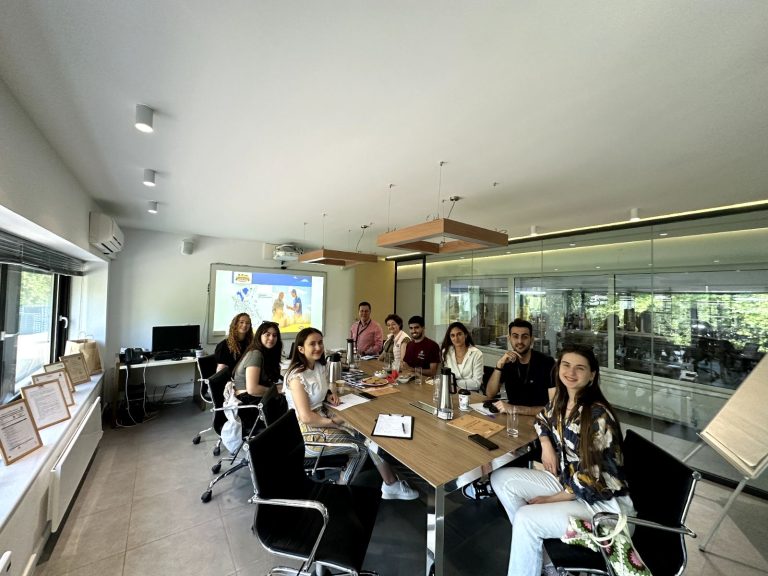
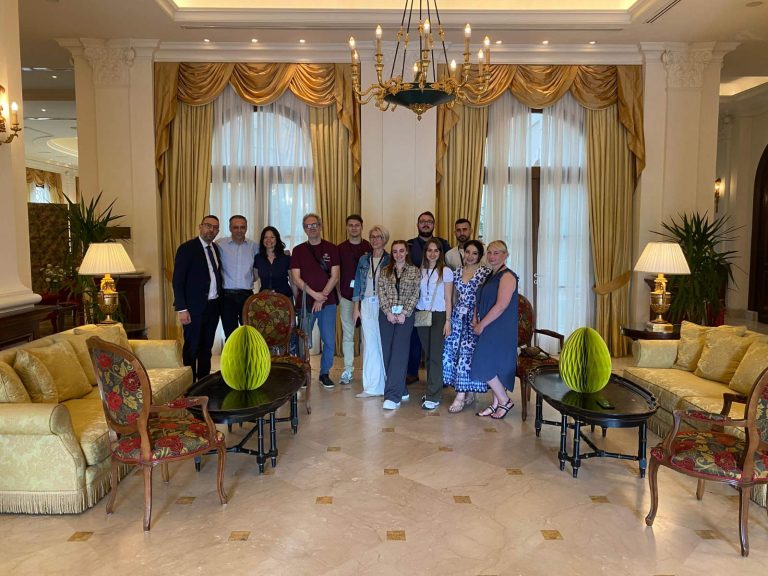
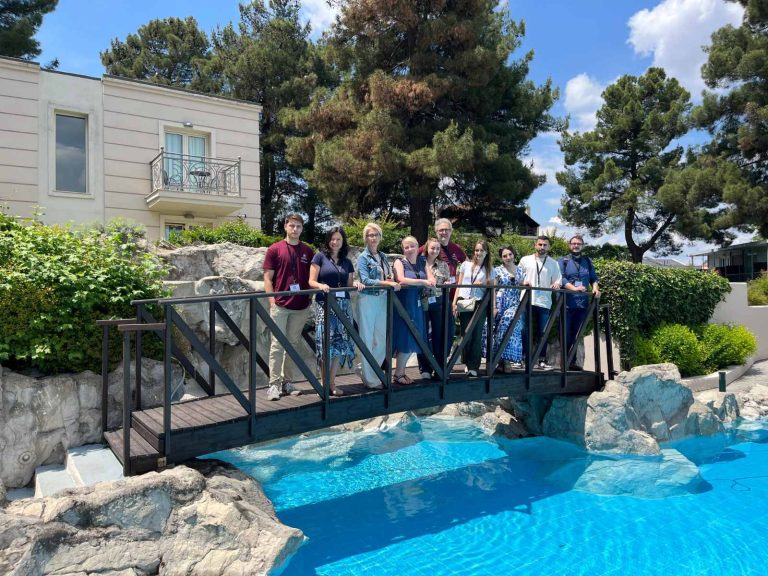
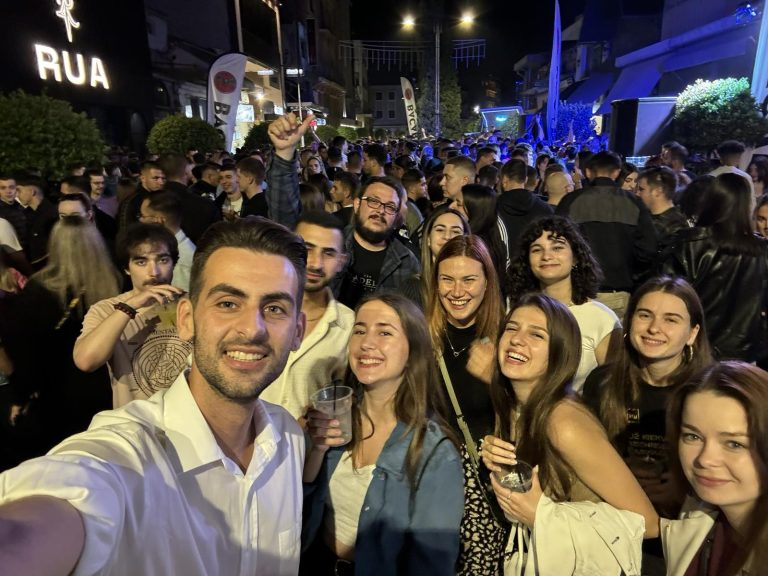
pHRonesis I Program Highlights
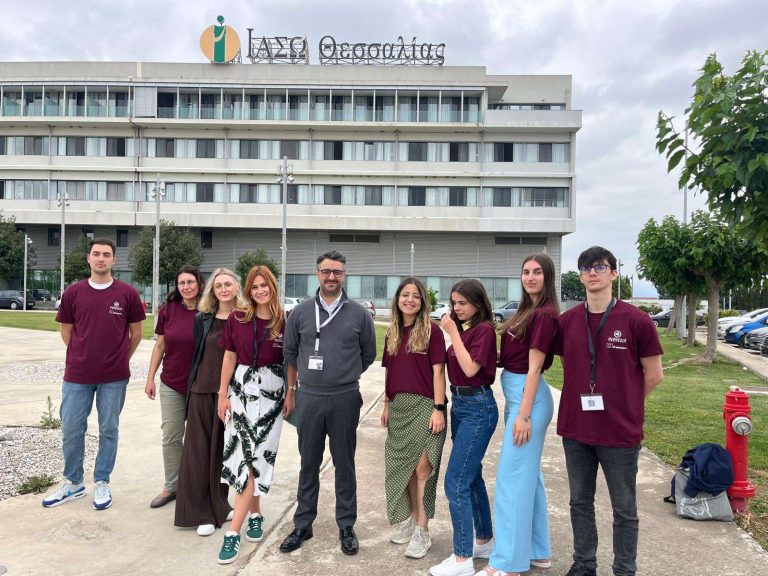
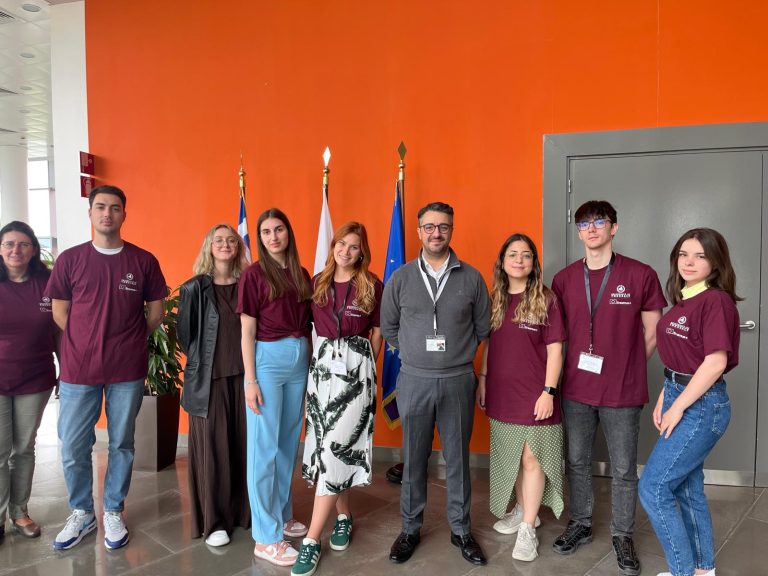
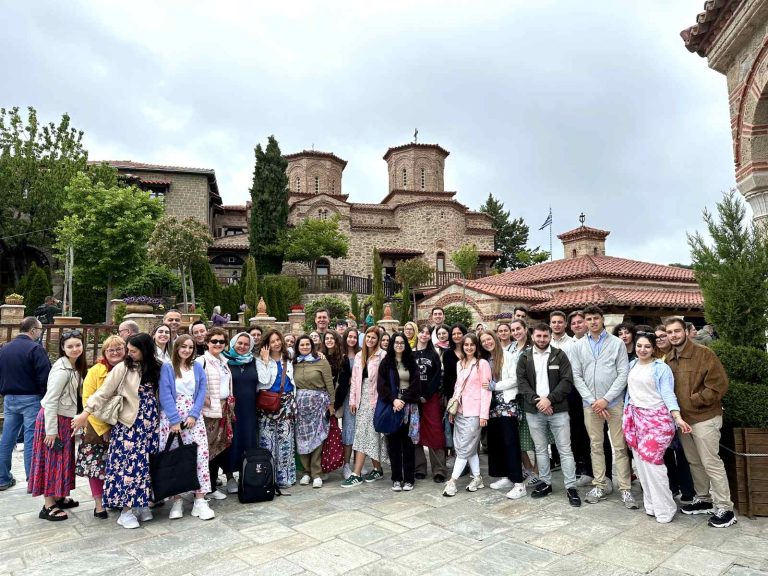
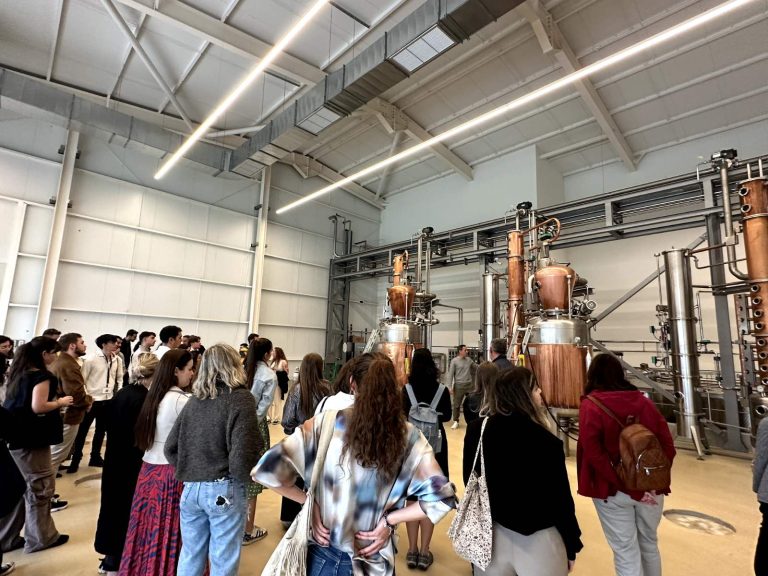
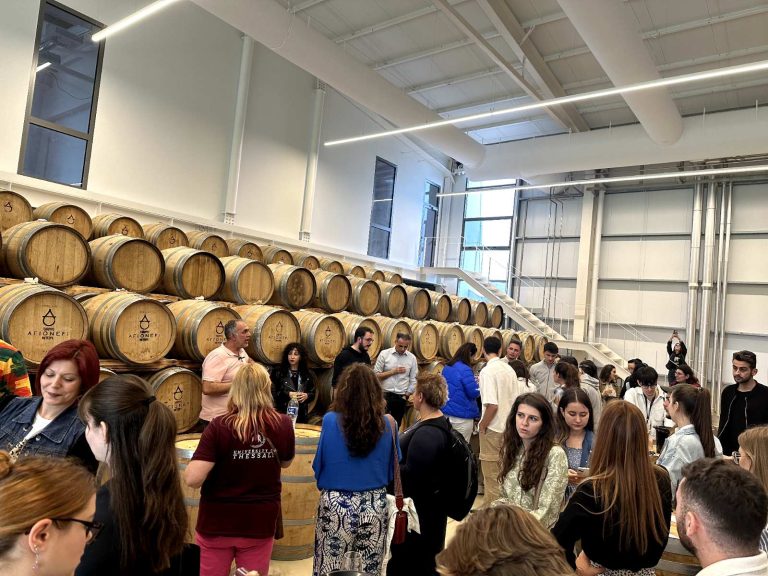
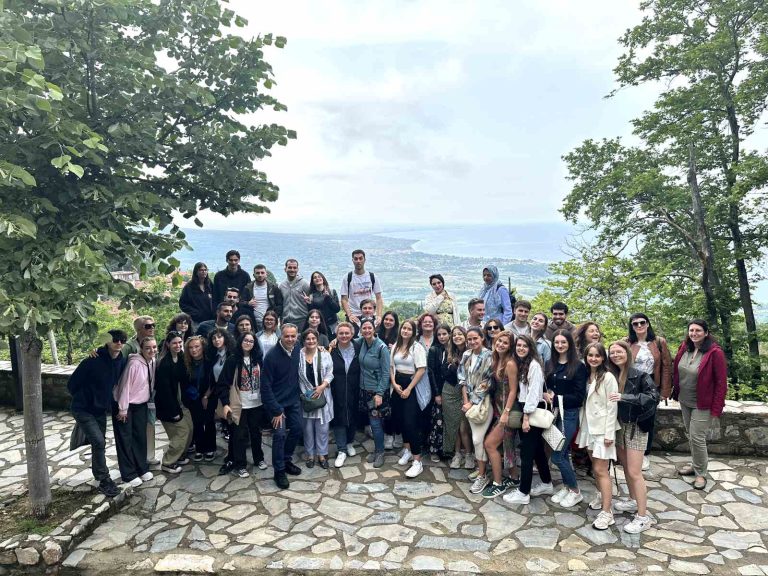

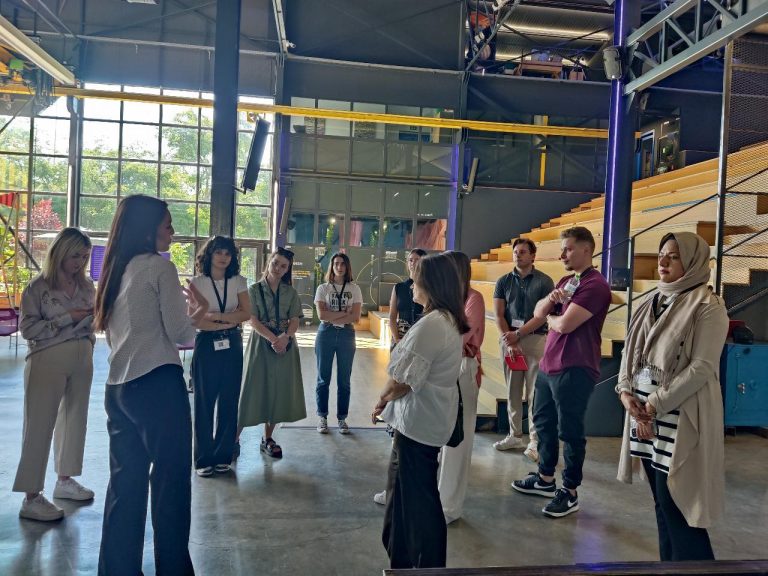
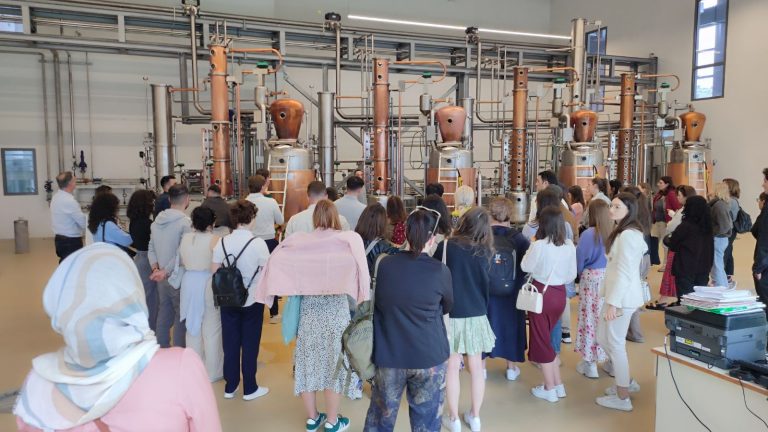
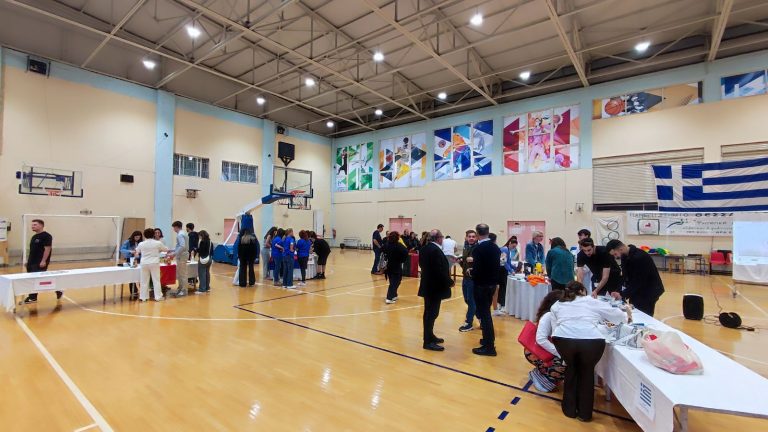
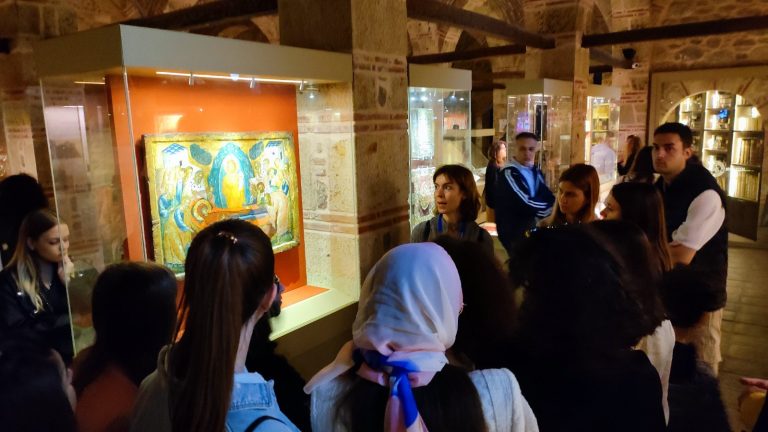
Project Phases
PHASE 1
Online Preparatory Phase
- Introduction and group formation
PHASE 2
Physical Mobility Phase
- Business visits and on-site activities
PHASE 3
Online Presentation Phase
- Group presentations and feedback
HOW does the programme work?
Programme Structure
Phase 1: Online Preparatory Phase (2 days)
Two online afternoon sessions (2 hours each) introducing:
• programme structure and objectives
• participating organisations and challenges
• group formation
• guidance on observation, analysis, and teamwork
➜ This phase establishes a shared analytical framework prior to physical mobility.
Phase 2: Physical Mobility Phase
(1 week – Larissa, Greece)
The core experiential component of the programme. Students:
• visit partner organisations
• engage with managers and HR professionals
• observe workplace practices
• analyse organisational challenges within international teams
➜ The emphasis is on understanding organisational reality, rather than evaluating best practices.
Phase 3: Online Presentation & Reflection Phase (2 days)
During two online afternoon sessions (2 hours each), each group:
• presents the outcomes of its assigned challenge
• receives feedback from company representatives and academic staff
• engages in structured reflection on learning and skill development
➜ The focus is on synthesis, feedback, and meaning-making.
Learning Outcomes
By the end of the programme, students will be able to:
• analyse human-centric and sustainable workplace challenges
• collaborate effectively in international teams
• develop well-argued, practical responses
• reflect on learning and personal skill development
Focus Areas / Workplace Challenges
Workplace challenges are explored through people-related themes:
• empathy and perspective-taking
• feedback and communication practices
• delegation and role clarity
• psychological safety in teams
• collaboration and team interaction
WHEN
- Online Lectures 5 & 7 May 2026
- Physical Mobility 11-15 May 2026
- Online Presentation Phase 19 & 21 May 2026
WHERE
University of Thessaly, Larissa City,
- Gaiopolis Campus
- Local Partner Businesses
WHO
Pre- Requisites
- Bachelor & Postgraduate Students from Business & Economics Faculties
- English B2
Important Dates
NOMINATION DEADLINE:
10 February 2026
CONFIRMATION PARTICIPATION:
10 March 2026
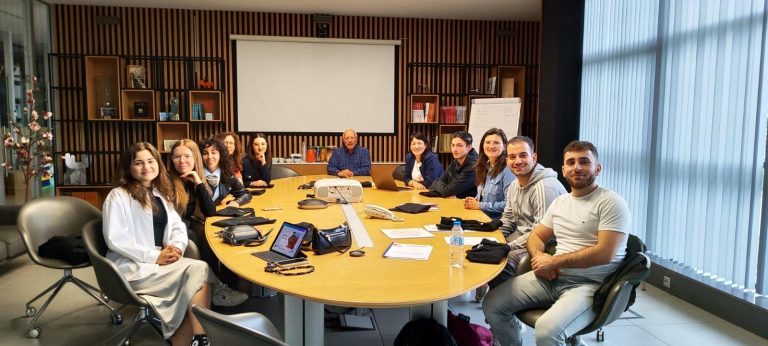
REGISTRATION:
28 February 2026
ON SITE SESSIONS :
11 - 15 May 2026
Registration for Larissa Erasmus BIP

University of Thessaly students have the opportunity to apply until Saturday 28, 2026 via a separate application form (will open soon).
Students from partner universities need to be nominated by their home institution via email to anagnos@uth.gr and fill in our application form by Saturday 28, 2026 (will open soon).

Contact
For inquiries regarding participation please contact the Host BIP Coordinator Dr Achilleas Anagnostopoulos (anagnos@uth.gr)
 Ελληνικά
  English (UK)